
Couples Therapy in Copenhagen
Do you long for more closeness and fewer conflicts in your relationship? Couples therapy in Copenhagen K can help you begin a gentle yet honest process towards a safer and more loving partnership. You start with a free, 15-minute online pre-consultation, where we explore what is happening between you and what needs to change for you to find each other again.

Couples therapy in Copenhagen – education and experience
Here is an overview of the education and clinical experience I bring into couples therapy in The Praxis.
- Competent psychotherapist MPF, couples therapist, sexologist, Somatic Experiencing Practitioner and supervisor
- Specialised in couples therapy: Relational dynamics, patterns and trauma
- Graduated from the Kempler Institute, the Gestalt Institute, Somatic Experiencing Denmark
- Highest certification in psychotherapy (research-based psychotherapy)
- Supervisor for professionals (psychologists and therapists
- Approved by the Danish Psychotherapist Association (MPF)
- Approved by the Association of Danish Psychotherapists (FaDP)
- Approved by the Danish Association for Clinical Sexology (DACS)
- Approved by Somatic Experiencing Denmark (SEP)
- Facilitated several thousand therapeutic sessions
- Private practice since 2017 with couples therapy in Copenhagen
- Supervised by Hanne Hostrup, licensed psychologist and author, as well as Anette Krogh
Or contact me at hello@thepraxis.dk. The address is Kompagnistræde 25, 3. sal, 1208 Copenhagen K.
Regain closeness: Couples therapy in Copenhagen
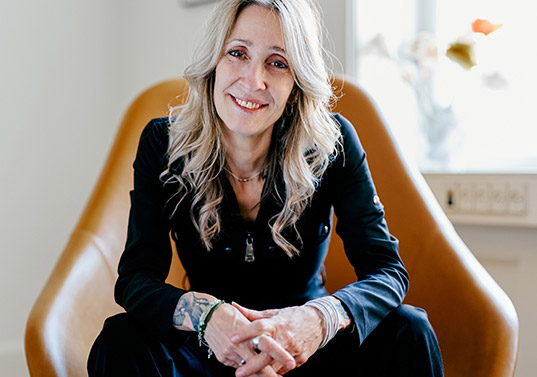
My name is Alfa, and I have practiced couples therapy since 2017 from my clinic in Copenhagen K. I have facilitated countless conversations as a couple’s therapist, with all kinds of conflicts, patterns, and challenges.
I have an inexhaustible curiosity and empathy for what happens between partners in relationships—especially romantic relationships, with all their complexity. From all the conflicts, feelings, reactions, dynamics, and patterns that arise when two different people come together.
How each partner enters a relationship, what experiences they bring, and how they lose connection with each other. What they have learned about love, how they have learned to resolve conflicts, and how both society and culture affect them (and the relationship).
I am moved daily in conversations with clients. I get goosebumps with them, share their joy, and am there with them in their sorrow. When I go home from the clinic, I am incredibly grateful for the trust I encounter every day.
The foundation of The Praxis and experience with couples therapy in Copenhagen
I am a certified psychotherapist MPF from Kempler Institute’s 4-year program, where I wrote my thesis on couples therapy and relationships.
Since then, I have completed several additional trainings, both as a couples therapist and sexologist, as well as a range of other advanced courses. This includes supervisor training, where I supervise other couples therapists and psychologists, and research-based psychotherapy (the highest certification).
Currently, I am finishing the internationally recognized 3-year Somatic Experience Practitioner® program (treatment of attachment, developmental, and shock trauma).
When I work with couples therapy in Copenhagen, I place great emphasis on empirical methods, ethics, and professional competence. I am approved and a member of Danish Psychotherapist Association (MPF), The Association of Danish Psychotherapists (FaDP), and Danish Association for Clinical Sexology (DACS).
I also regularly attend supervision with one of the country’s most experienced supervisors, with over 40 years of experience in the field.
If you are curious about couples therapy in Copenhagen and want to know more about me or how I work, you are welcome to email me at hello@thepraxis.dk or book a free 15-minute online pre-consultation.



Couples therapy: Bundle

Strengthen communication in your relationship
Is communication breaking down in your relationship? Do you feel misunderstood or stuck in assumptions about each other that prevent you from listening? In this program, you get the chance to work on your communication and increase your awareness of what goes wrong, as well as what you can do differently.
Presence and intimacy in your relationship
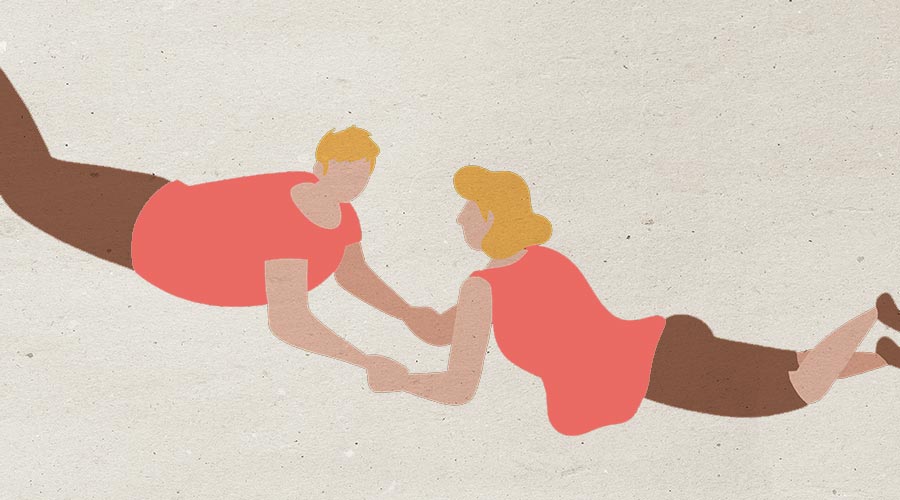
When the initial infatuation fades and everyday life begin, many couples find the spark disappearing. They become complacent, or unresolved conflicts come between them, and they no longer make an effort. In this program, you can work on how to create more space for intimacy and presence in your daily life.
Resolve conflicts in your relationship
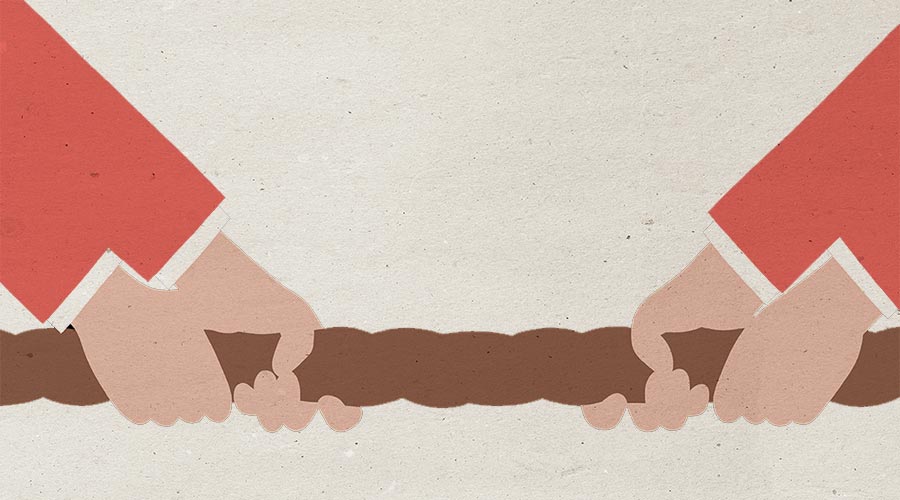
Are you stuck in the same conflict repeatedly, unable to move forward? Maybe you feel you can’t reach each other, there’s no understanding, and you feel misunderstood or accused of intentions you don’t recognize? In this program, you get the chance to work on your conflicts—what goes wrong, and what is at the core of the conflict?
How I work with couples in therapy
Couples therapy takes place in my clinic in Copenhagen K, unless you prefer online sessions. I don’t believe I have the recipe for the “right” relationship or what is right or wrong.
I don’t pretend to be an expert on you. We are all different, and what is meaningful for you is exactly what we work together to clarify and increase awareness of, through an equal dialogue.
We don’t work with how you “should” be or what “could” be, but what is. As whom you are. What can each of you contribute to the relationship, and how can you accept each other?
We also don’t point fingers at who is unreasonable, who is right, or who is wrong. You are neither right nor wrong. But you are two different people, each with your own history, habits, and ways of being in the world.
The curiosity and attention are directed at how you relate to each other’s differences with equality and respect, how you create meaning in each situation, and how things become unfair.
We focus on everything that happens in the contact between you, in your relationship, rather than judging who is “right” or who perceives the world “wrong.” My starting point is that you both do the best you can, and what seems meaningful to each of you in the moment.
Opslået på Google
 M e15/08/2024
Trustindex verificerer, at den oprindelige kilde til anmeldelsen er Google.
Just wonderful. She knows what she is doing. When you think you have reached the end of your relationship, suddenly she opens a door. Strongly recommended to those who feel they are close to the end. Thank you Cirkeline.Opslået på Google Pernille Taulund29/05/2024Jeg kan kun give min bedste anbefaling hvis du søger en empatisk, dedikeret og ansvarsfuld parterapeut. Jeg bruger selv Cirkeline til kvalificeret sparring og læner mig gerne ind i hende viden, faglige og velovervejede anbefalinger.Opslået på Google
 Camilla Dieckmann24/01/2024Jeg har været så heldig at få supervision i The Praxis. Udover at møde det sødeste menneske og terapeut får man en ærlig, autentisk og fagligt dygtig supervisor. Kæmpe anbefaling til alle der søger en kompetent psykoterapeut, parterapeut og supervisor. ❤️Opslået på Google
 Maria Sørig17/11/2023Hermed en kæmpe anbefaling herfra! Cirkeline er autentisk, ærlig og nærværende i sin terapi, hvilket jeg har oplevet på eget sind. Det hele startede ud med parterapi på grund af et svært forhold, hvor der var gentagende svigt og tillidsbrud. Senere blev det til individuel terapi, hvor jeg ved Cirkelines hjælp kom frem til det egentlige problem i det parforhold, jeg dengang var i. Jeg var ikke kommet frem til det egentlige problems kerne og den rette erkendelse af denne uden den meget professionelle og empatiske hjælp fra Cirkeline. På min rejse kom jeg væk fra forholdet, tilbage til mig selv og ud på en videre personlig udvikling, som jeg nu kan se har et stort potentiale. Samme udvikling er jeg sikker på, at både par og singler kan komme på ved Cirkelines hjælp, hvis du/I rækker ud til hende og hendes evner med psykoterapi som parterapeut, sexolog og psykoterapeut - disse evner favner heldigvis bredt! Jeg vil række ud til Cirkeline igen, hvis jeg en dag føler behov for det, for den terapeutiske hjælpende hånd tror jeg, man kan have brug for løbende igennem livet.Opslået på Google
 Ulla Hinge Thomsen26/09/2023Jeg er parterapeut og har været i supervision hos Cirkeline om både mine klienter i parterapi og singleterapi. Forløbet har været trygt, solidt fagligt funderet og har løftet min terapeutiske praksis. Supervisionen har cementeret min faglige integritet og har givet mig et en øget opmærksomhed på, hvordan jeg kan udøve selvomsorg som terapeut. Cirkeline er ligefrem, skarp og opmærksom, og jeg anbefaler hende varmt som supervisor til terapeuter, der vil arbejde seriøst med deres faglighed og etik.Opslået på Google
 Josephine Dahl02/09/2023Min kæreste Peter og jeg fik god sparring og parterapi af CirkelineOpslået på Google
 Vibeke Warming Ullum25/08/2023Leder I efter en dygtig parterapeut, så vil jeg anbefale Cirkeline fra The Praxis. Her vil I få kompetent og nærværende parterapi og I bliver mødt af et empatisk og alsidigt menneske. Bedste anbefalinger herfra.Opslået på Google
 Juliie Lohtuz Ravnhild Søndergaard04/06/2023Jeg har været virkelig glad for at gå i terapi hos Cirkeline. Jeg har fået redskaber til kommunikation i mit parforhold som har gjort en kæmpe positiv forandring i mit parfold og i mit liv generelt. Jeg kan på det varmeste anbefale Cirkeline. Det eneste jeg ærger mig over er at jeg ikke gjorde det noget før!Opslået på Google
 Kim Borggren04/06/2023Altid tydelig og tryg men også nuanceret og udfordrende - forstår at holde sig neutral undersøgende for begge parters oplevelse.Opslået på Google
 Susanne Karsvang26/12/2022Jeg kan varmt anbefale Cirkeline, yderst kompetent og altid i øjenhøjde. Nærværende, støttende og ærlig. Hun har virkelig hjulpet mig med at forstå mine handlemønstre så jeg er blevet meget mere sikker på mig selv og har taget magten tilbage til nye valg for mig.
How does couples therapy in Copenhagen work?
As a couple’s therapist, I place great emphasis on a safe and trusting relationship between me and each of you. In couples therapy in Copenhagen, you are met as equals and through an equal dialogue.
In therapy, we don’t look for who is to blame or responsible for the situation. I see you both as adults and responsible people, who voluntarily choose each other as you are.
So, therapy is more about turning your gaze inward and discovering what you each do and contribute to the relationship, rather than distributing blame and pointing fingers at the other.
Together, we explore how things become difficult for each of you in your relationship, and what happens in the dynamic between you. The main goal of couples therapy in Copenhagen is to sharpen your awareness of yourselves. To make the unconscious, and automatic reactions into conscious and responsible choices.
How you can bring your personal responsibility into play in the relationship and contact with the other and make intentional and conscious choices. In other words, to make the unclear clear, and increase your awareness of what is what, and how things go wrong.
In couples therapy, we add nuance to the emotions
Emotions in relationships can be complex, and for many, it can be overwhelming to figure out and distinguish what is really happening between partners, and how and why they keep losing connection.
What are assumptions and personal beliefs about the other, and what is actually happening in the other person? What are unspoken expectations of yourself or the other, which have not yet been expressed or agreed upon?
What are my needs/my feelings, and what are yours? What is my responsibility and what is yours? And where is the boundary?
Through the process, we work to identify “what is the problem” or the core of the problem. What unmet needs and wishes are there, and what does that do to your relationship?
We identify obstacles and resistance. What do you each want and long for, and what needs to happen to create change?
And not least, how can you create a safe relationship, where there is space and acceptance for each other.
My role as your couples therapist
My role is not to judge what is “right” or “wrong,” nor what is reasonable or unreasonable. In other words, I don’t relate to what should be, or could be, but rather to what is and what happens between you.
In couples therapy in Copenhagen, I give feedback on what I see, hear, and experience in contact with you. My feedback is honest and direct. And always loving, direct, and respectful – without sugarcoating but saying it as it is.
You are treated as responsible adults. I don’t give small tasks or “homework,” but expect you to take responsibility for creating the changes you want.
The goal is that you hopefully discover something meaningful for each of you to work on after each session, and I naturally support this process and offer recommendations.
As a couple’s therapist, I observe from the outside and can see a bigger perspective, and possibly which dynamics are at play in your interaction. What is happening, what are you doing, and how are you doing what doesn’t work for you? And with that clarity, you can decide whether it still makes sense, or if you want to create change.
What does couples therapy in Copenhagen cost?
The price for a single couple’s therapy session is 2,100 DKK (incl. VAT), and you can buy a bundle of 5 x sessions for 9,500 DKK (including. VAT).
How many sessions you need and how long the process should be varied greatly from couple to couple and depends on your situation. Some couples need just a few sessions, while others need significantly more.
Generally, in couples therapy in Copenhagen, I find that a process typically spans 6–12 sessions. Many then choose to continue therapy, e.g., every 3–6 months. This creates momentum and an opportunity to maintain development, both individually in the relationship and in the connection between partners, or as their situation and life changes.
Typically, I recommend 10–14 days between each session to start with. If your situation is acute and critical, I recommend at most one week.
Of course, it must fit your calendar and budget, and it’s not a problem if there are 3 weeks between sessions. But two weeks is just a recommendation to avoid setbacks.
Book your couples therapy session in advance
I recommend booking in advance, as there can sometimes be a waiting time. I also recommend booking the first three sessions in advance, just to be sure they are in the calendar.
Appointments can always be cancelled free of charge with 48 hours’ notice, simply by contacting me.
When you attend couples therapy, it is your relationship that is in therapy. This means that I generally do not have individual sessions with you, but that you are both present at every session.
When you are both here, I can see the dynamics and what happens in your interaction, which I cannot see if you come individually.
In rare cases, if I find it relevant, I may have individual conversations with one or both of you, but only if I sense that something is not being said while the other is present.
Do couples therapy work?
The short answer is “yes”—if you want it to. But even the best couple’s therapist cannot make you want something you don’t want.
Many studies show that after a course of couples therapy, most people experience a very positive effect on their relationship—even in the long term. But the prerequisite is, of course, that both partners take responsibility for working on the relationship, the contact, and the connection between them.
Many couples tell me they wish they had started therapy sooner. The longer it takes before things are addressed, the greater the distance becomes in the relationship. So, the sooner you decide to start, the easier the process.
Unfortunately, many see couples therapy as a last resort or a sign of failure, just before breaking up.
But that is far from the truth, as most couples, after therapy, experience a stronger relationship than when they started. But it naturally requires willingness from both partners and the ability to self-reflect, as we look inward.
Couples therapy is especially helpful when you no longer feel significant to each other. Maybe your relationship has turned into loneliness, entrenched conflicts, irritation, and frustration with each other.
If you are unsure whether I am the right therapist for you, you can contact me or book a free online consultation, with the opportunity to ask additional questions.

Couples therapy in Copenhagen K – who can benefit?
Couples therapy covers a wide range of challenges, as couples seek therapy for many different reasons, at all ages and from many backgrounds. What they have in common is that they feel unable to solve their problems without the closeness they long for.
This may include:
- It might be a single issue they can’t resolve, even though they otherwise feel good together.
- A sudden crisis, such as infidelity or betrayal.
- Past traumas that disrupt their relationship.
- Long-standing patterns, dynamics, and conflicts that the partners are stuck in.
- Lack of physical and emotional intimacy, connection, and presence.
- A missing sense of connection between the partners.
- Communication problems, for example, talking past each other or frequent misunderstandings.
- A lack of acceptance of each other’s differences.
- Disagreements about finances or plans for the future.
- A new life situation—what now? Maybe the children have moved out, or they have become parents.
- Insecurity, distrust or jealousy.
- Stress, everyday life, and the division of responsibilities at home.
- One or both partners are affected by illness or a mental health challenge.
- It might be that they already feel good together and want to feel even better.
- They want to explore whether it is meaningful for them to stay together.
- Or they want to separate in a respectful way.
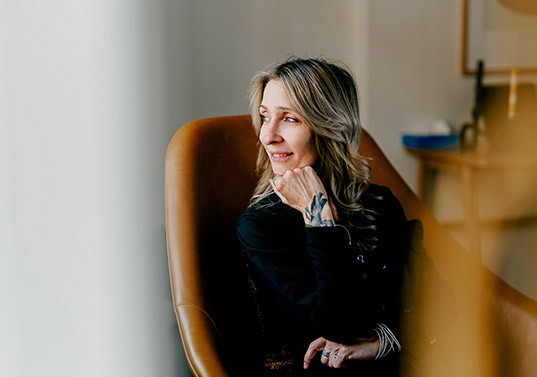
Regardless the problems you experience in your relationship, you must be prepared to do some work to create change.
Couples therapy is offered in person at my clinic in Copenhagen K, unless you are unable to attend. As a night owl, I also offer evening appointments.
How are conflicts resolved in couples therapy?
Conflicts in relationships (in Danish) rarely concern the actual content of the conflict—the topic being discussed. Many find they can’t even remember what the conflict was about, or when they retell it, it seems trivial and unimportant.
When conflicts go wrong, it is often the way partners argue, where neither can listen to what the other is saying, and they lose connection.
When the conflict escalates, many find themselves speaking louder and faster, exchanging blame, accusations, arguments, and explanations. There is a battle to be won, and the one who “wins” is often the one who shouts the loudest and corners the other.
If one partner is conflict-averse, they may shut down or disappear as soon as a conflict arises. They may be inclined to agree with the other just to end the conflict.
Many can hardly resist the urge to enter the conflict—it seems compelling and momentarily relieving. And maybe the battle can be won, and one adapts to the other, but rarely does anyone win a good relationship by attacking each other or adapting unwillingly.
Not even if you gather better arguments next time, turn up the volume, or issue more ultimatums.
Handling conflicts in couples therapy sessions
In therapy, we focus on how partners enter conflicts and how they can avoid escalation.
- What is the fight or the core of the conflict really about?
- Are they reflective, or are they on autopilot and acting on impulse?
- What is the intention in the conflict?
- What do they want to change, or what do they long for?
- How do they approach contact and dialogue?
- What is the tone and the nonverbal language like?
- Are they able to relate to each other, or do they become preoccupied with being right?
- Are they clear and able to express what they miss, or do they only point out everything they don’t want?
Together, we identify what doesn’t work for you, what goes wrong, and how you lose connection. This often includes affect regulation and de-escalation, so you can remain calm and be more conscious and reflective, rather than letting autopilot take over. We also explore what could work instead. What needs to happen to create connection and change so future arguments don’t end in deadlock.
Are your too differences?
In many relationships, there is more discussion about what should be than what is. We are all different, and in relationships, there is your way and my way, and different needs and wishes.
Two ways of experiencing the world, two ways of seeing and perceiving things, two ways of reacting, and two ways of feeling.
These differences often lead to conflict if partners cannot relate to the other as a different person. It often ends in endless discussions about who is right and who is wrong.
In these discussions, partners often feel a strong urge to explain, justify, and convince each other why their way is right and the other’s is wrong.
A relationship depends on two people relating to each other—and this is necessary in couple’s therapy
A relationship is two people relating to each other’s differences—not how the other should be.
In therapy, we may explore how partners handle these differences. What meaning does each partner assign to the other’s actions when they react differently or have different needs? To what extent is there acceptance of each other, or do differences become frustration, irritation, and criticism?
Couples therapy or divorce?
I often hear clients say they wish they had started couples therapy sooner. Many think it’s too late to save the relationship with therapy once the word “divorce” has been mentioned. That is true for some couples.
When love is simply gone, and there is neither will nor motivation to work on the relationship. But if love is still there—maybe well hidden—and both partners are willing to contribute, then there is also the possibility to work on it.
I often find that partners don’t necessarily want to leave each other, but can’t see another way out, as they are so entrenched in their conflicts, and can’t stand either the conflicts or the version of themselves they have become in the relationship.
It’s not necessarily the other person they don’t want anymore, but the conflicts, patterns, frustration, blame, and loneliness they can’t live with.
In therapy, we explore possibilities, what still holds you together, what you are willing to contribute, and whether there are any loving feelings left.
A successful relationship is not necessarily about how many years a couple has been together, but whether the time shared has been meaningful and brought joy.
Couples therapy alone
Many want to work on their relationship, but the other partner doesn’t want to join therapy. What do you do then?
Attending couples therapy alone (in Danish) gives you the opportunity to work on your own contribution to the relationship. Especially if patterns and dynamics are involved, it can be beneficial, as it only takes one to break them.
You can increase your own awareness of how you contribute to conflicts. What is it like to be you in your relationship?
How does it become difficult for you? What do you miss?
How do you approach the other? How do you ask for what you want? And what happens if you don’t get it?
Attending therapy alone is all about you and how you enter the relationship. And when one person starts doing something different, it automatically creates change in the relationship.
Couples therapy after infidelity
Infidelity is often a reason why couples seek therapy in my clinic in Copenhagen. Attending therapy after infidelity won’t make the grief, anger, or mistrust disappear, but it can help put the difficult feelings and the necessary repair work after a betrayal into perspective.
In other words, therapy can support the process so that partners don’t get stuck in mistrust, anger, and frustration.
After infidelity, there are many overwhelming feelings at play, including jealousy and betrayal. It can easily get out of hand and be extremely difficult for partners to have a reasonable conversation about what happened.
In therapy, we work on being able to contain the many difficult feelings, so communication can become reparative and healing, rather than just another argument that only brings more mistrust and discouragement.
Part of therapy can also be about clarifying what led to the infidelity, and what partners can do to avoid it in the future.
Read much more about infidelity here (in Danish).
How do you find the best couples therapist in Copenhagen?
Couples therapy Copenhagen recommendations (in Danish) are a good investment to research. The therapist’s recommendations, experience, background, education, and experience. The title “couples therapist” is unfortunately not protected, so it is important to ask about their education and experience.
If you find a therapist with a background as a psychotherapist MPF or a licensed psychologist—both with additional training in couples therapy and sexology – you have ensured someone with a solid professional background.
If they also have several years of practical experience, it is further assurance that you are in good hands.
Another important consideration when finding a qualified couples therapist in Copenhagen is to reflect on what you expect and what you want to get out of therapy. How can the therapist best support you and be the best therapist for you?
How can you know if you have found a good couples therapist in Copenhagen?
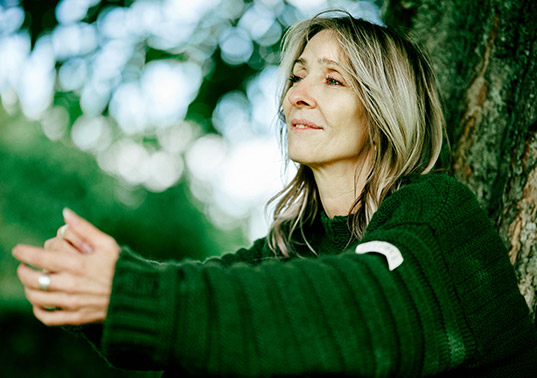
Couples therapy Copenhagen recommendation: Alfa Kapsi, Couples Therapist and Sexologist. Approved by the Danish Psychotherapist Association (MPF) and the Danish Association for Clinical Sexology (DACS).
There are many skilled couples therapists in Copenhagen, but the best one for you is hard to predict. Sometimes you must try a few before you feel you have found the “right” place.
A good and recommended therapist does not focus on distributing responsibility and blame but encourages partners to take personal responsibility in the relationship. Where does one’s responsibility end and the others begin?
How can partners take more responsibility for their own feelings and needs? How can they support themselves in difficult situations, and perhaps reach out to the other without placing responsibility on them?
The therapist also addresses how each partner takes responsibility for the relationship and the connection between them.
Most relationships consist of two people, which means there are two to share responsibility for the relationship. Put simply, each is responsible for 50% of the relationship. How is that responsibility communicated or managed? Is one waiting for the other to start being responsible?
What do they do when they become less accommodating in the relationship — do they withdraw or attack each other? Are they loving or critical? Are they seeking and welcoming, or distant and dismissive? What does each contribute to the relationship, in terms of what they have agreed to achieve together?
And are they aware of what their own contribution does to the relationship and the other?
The therapist cannot solve your problems
Attending couples therapy does not mean all problems are automatically solved. Through an equal dialogue, we explore what is what. What is the core of the problem and how does it arise? What is really happening in each of you and in the relationship?
The therapist identifies obstacles and resistance to working on the relationship, creates clarity, and increases awareness of needs and wishes for change and possibilities.
When there is clarity between partners, they must do the work at home. It sometimes takes both will and courage to create change, but without determination, nothing changes, and you end up with more of what doesn’t work. Partners often end up feeling more discouraged than before starting therapy.
The therapist must expect that partners take this responsibility upon themselves and bring the willingness to work on the relationship and create the desired changes in contact.
Online couples therapy
If you are unable to attend in person at the clinic in Copenhagen, online therapy is a very good solution. Of course, nothing can replace the physical meeting, but that does not make online therapy a bad solution. I see many who benefit greatly from this option.
There can be many reasons why you are unable to attend in person. This may include disability, lack of childcare, or living outside the country. For them, online therapy is a very good offer to resolve problems.
If you want to book online couples therapy, simply book “couples therapy” on the booking page and write “online therapy” in the comment field.
Online therapy programs
If you are unable to attend in person, I offer online couples therapy. I expect you to treat it as if you were coming to the clinic—meaning you set aside time to work on your relationship without interruptions.
- Make sure to sit in a quiet place where the Wi-Fi connection is strong, and that your computer, tablet, or phone is charged and set to ‘do not disturb’.
- Before the session begins, please also check that your audio and video are working, so we don’t waste time on technical issues.
- For online couples therapy, I recommend that you each sit at your own screen, preferably in separate rooms (due to audio feedback). When you are each at your own screen, you can see each other more clearly, compared to sitting together at the same screen. If you don’t have two devices, please set the screen to horizontal so I can see both your faces.
- The session is 75 minutes and takes place via Zoom.
- I will send a link to the meeting ahead of our appointment, so you can make sure the technology works.
- Payment is made via MobilePay when the session ends, and the price for a session is 2,100 DKK (including. VAT).
- The same cancellation policy applies as for regular therapy in the clinic.
Background and education
I was born and raised in Copenhagen and am a trained and certified family and psychotherapist MPF from Kempler Institute’s approved 4-year program, specializing in couples therapy. I also have several validated and evidence-based further and advanced trainings as both a sexologist, couples therapist, trauma therapist, and supervisor.
I am a member and approved by DACS (Danish Association for Clinical Sexology) and Danish Psychotherapist Association, and can therefore use the title MPF, which is a quality mark for both education and experience.
Payment and practicalities
Individual psychotherapy (60 min.) costs 1,400 DKK. Couples therapy (75 min.) costs 2,100 DKK (including. VAT).
Payment is made via MobilePay or cash at the end of the session. If you arrive late, we still finish at the agreed time, as I often have another client waiting.
Ethics and confidentiality
As a couples therapist, I naturally follow the ethical guidelines from Danish Psychotherapist Association.
I have confidentiality and do not store sensitive personal information accessible to others. Confidentiality for therapists does not apply in cases of applicable law, where the therapist is required to report to social authorities.
FAQ - Couples Therapy Copenhagen
The therapist approaches with openness, curiosity, and wonder, aiming to sharpen the partners’ awareness of what arises in the relationship. The purpose is not to distribute blame and responsibility, but to discover how things become challenging for the partners, how they relate to each other, and how they each contribute, for better or worse.
The number of sessions in a couples therapy process can vary greatly, depending on the challenges the couple wants to work on and how willing they are to address them. Some couples resolve the conflict after a few sessions, while others need significantly more. Many couples, however, experience changes quickly, even after the first session.
The title “couples therapist” is unfortunately not protected. There are many private institutes training couples therapists, with large—and sometimes questionable—differences in qualification requirements, ethics, content, and curriculum. A therapist with a background as a psychotherapist (MPF) or psychologist, with additional training as a couples therapist, is a good guideline for a competent choice.
The price of couples therapy depends greatly on the therapist’s background, experience, and location. Typically, a single session costs between 1,200 and 2,400 DKK (2026). One session is rarely enough to solve the problems, and you should expect a process with several sessions.
The therapist, in collaboration with the couple and through dialogue, sharpens awareness and clarifies what is happening in the relationship. This may include identifying unconscious and automatic patterns and discovering how things become difficult for each partner. Couples therapy rarely concerns the topic being discussed, but rather the way it is discussed.
My experience with couples therapy in Copenhagen is that most couples benefit from therapy. And it is rarely too early to start therapy. But it can be too late if partners have worn down the love over a long period. Most couples, however, have conflicts, which is both healthy and good for the dynamic. A good guideline for when its time is when the couple feels stuck. They can’t resolve the conflict and reconnect, or it repeats repeatedly.
A qualified and competent couples therapist typically has a background as a psychotherapist (MPF) or practicing psychologist, both with additional training in couples therapy from an institute with ethical guidelines and approved by Danish Psychotherapist Association. The therapist’s experience is also crucial for how qualified they are.
The only ones who can save the relationship are the partners themselves—if they want to. Both must be motivated and recognize the need for change. Saving a relationship is a broad concept, ranging from a sense of entitlement to each other, to a practical arrangement, to a respectful relationship with love and presence. So, what is it that needs saving, and what does it need saving from?
A good relationship is a joint effort, and partners must be willing to bring motivation and courage to create the necessary changes. Therapy can help clear up the relationship and create space for loving feelings, or see if they are hidden behind something else, but cannot awaken feelings that are no longer there. The therapist can support the process, but responsibility for the relationship lies with each partner.
When it is too late is an individual assessment, depending on the consequences of a breakup and the success criteria for therapy. Put simply, it is too late when love is gone and there is no more willingness to try. Love can, however, be well hidden behind defences, where it cannot be felt during conflict-filled periods, which can create confusion. Here you can ask yourself: I am free to leave, what is stopping me?
Background
Education
- Trained and certified couples therapist and psychotherapist MPF from the Kempler Institute’s 4-year program. Specialization: Relationships and couples therapy
- Certified EFT couples therapist (Emotionally Focused Therapy) with Jette Simon, organized by the Danish Psychotherapist Association, Copenhagen
- Couples therapy and sexology, Gestalt Institute, Randers
- Supervisor, Gestalt Institute, Randers
- Research-based
Psychotherapy, Danish Psychotherapist Association - Somatic Experiencing Practitioner (SEP) Trauma Therapy
Lectures
- 2015: Personality psychology with Simo Køppe and Jesper Dammeyer, University of Copenhagen Extension
- 2015: Shame – innate and learned with chief psychologist Lars J. Sørensen
- 2016: Existential philosophy, University of Copenhagen Extension
- 2016: Love in an existential perspective, University of Copenhagen Extension
- 2022: Couples therapy with Hanne Hostrup, Copenhagen
Specialisation
- Creating safety and presence in relationships
- Dynamics and patterns in relationships
- Attachment patterns
- Triggers in relationships
- Stress in relationships
- Communication in relationships
- Breach of trust and infidelity
- Jealousy
- Communication in relationships
- Stuck conflicts and power struggles in relationships
- Presence and intimacy in relationships
- Lack of desire for intimacy
Trauma
Ethics
- I am approved by the Danish Psychotherapist Association and therefore entitled to use the title MPF, which is a mark of quality and a guarantee that I meet a range of criteria regarding both education and experience
I naturally follow the ethical guidelines of the Danish Psychotherapist Association - Approved by DACS (Danish Association for Clinical Sexology)
- I comply with current GDPR regulations and do not store sensitive personal information accessible to others
- Confidentiality
- As a couples therapist, I attend supervision and am continuously evaluated by supervisor Anette Krogh, as well as group supervision with Hanne Hostrup
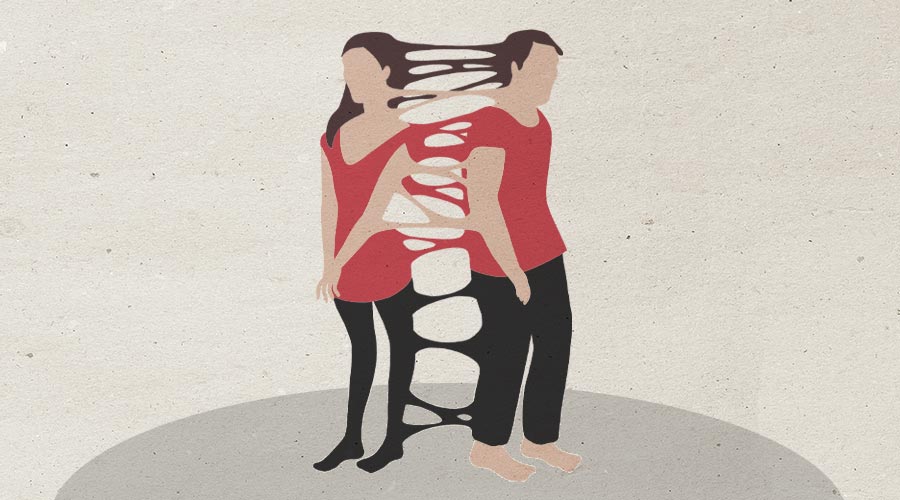
Trauma bonding (på dansk kaldet traumebinding) er en følelsesmæssig og voldsom kompleks binding til et andet menneske, hvor du mister fornemmelsen af dig selv.
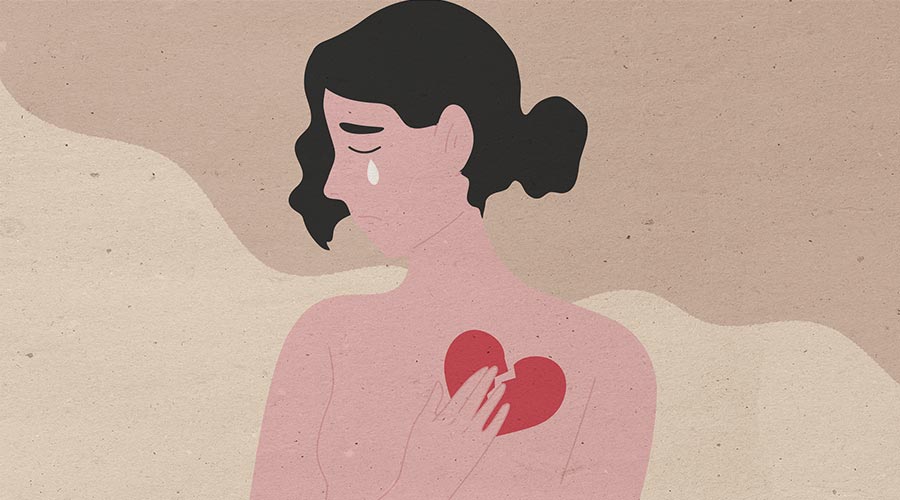
At finde kærligheden er for mange et stort ønske i livet, og tanken om at miste det, kan føles overvældende. Mange oplever at stå mellem håb og tvivl, smerte og længsel, med spørgsmålet: hvornår er et forhold forbi? Og kan det repareres? Det kan imidlertid ikke opvejes til et endegyldigt